Press Room

Index of Press Items


at130808

at130808 DON’T BLAME THE BUYERS


There is never a shortage of buyers in August, except perhaps in the jewellery sections, where buyers’ desperation does really come to a head until later in the year. Sellers frequently worry that there will not be anyone there to buy their goods at this time of the year. On the contrary the usual scene is of a full saleroom impatient for enough stock to buy and so often punters leave empty handed.

It was the typical scene at Hartleys Summer event in Ilkley, West Yorkshire, on August 13th. Demand was strong but supply was on the weak side. Intense activity, including the inevitable phone lines, was focused around a smaller number of lots with the bullion price bolstering the silver and gold, and a couple of occasional specialist sections also helping to polarise demand.

The resulting total of £161,000 for 793 lots with just 18% by lot bought in was actually a good result for what was on offer. For instance, the ceramic section which started the sale, was dominated by just one lot, a Wedgwood Fairyland lustre vase and cover 11” high. The ageing vendor had succeeded in propelling it from the top of a corner cupboard resulting in a substantial 2” chip being removed from the rim of the lid. In spite of considerable restoration the price realised was a satisfying £2,100.

The silver sections were a completely different country with nearly everything selling, much of it both pre and post 1910 at a little above the current melt price of £6.50 per troy ounce. For instance a tea tray of 70ozs dated 1940 reached £540, and a 1925 four piece tea service of 57ozs £440.

Flatware however was still struggling to come anywhere near, and a somewhat tired composite flatware service dated 1863-73 reached £700 or only £4.11 per ounce. The more interesting end of the commodity selling irrespective of its weight told a different tale and for instance an 1878 card case found £90 (or £40 per ounce) and a George III wine funnel dated 1794 reached £200 or £48 per ounce.

Gold sovereigns were predictable with older circulated examples reaching £90 or more, while a 1989 proof example in capsule and presentation case was competed up to £470.

There were several bargains to be had in the jewellery with nothing over £1,000 getting away, and it was left to the watch section to provide this, in the shape of a standard gent’s Rolex Oyster Perpetual Datejust chronometer in 18ct gold and steel case which reached £1,100.

The honours in a brisker than normal picture section was almost entirely taken by the Yorkshire section. Before this two floral Mediterranean Scenes in watercolour by Edith Helena Adie reached £660 each and a Study of a Stable Interior after Morland by Charles Edward Wilson found £750.

Yorkshireman Geoff Birks produced several works including a pencil sketch “Industrial Canal Scene” at £1,500, and a watercolour “Nowt to do” at £1,550. Another late 20th century painter consistently producing good prices is Brian Shields (Braaq), this time with an oil painted Industrial Town Scene 15” x 22” which reached £5,400.

The other lot selected to grace the catalogue cover was a pair of French patinated bronze and gilt candelabra each with four branches 23” high, with some restoration, and these sold for £1,700.

The first specialist section was devoted to weapons and militaria, with a useful total of nearly £20,000. This included a Winchester 1866 model .44 calibre carbine in excellent condition selling for £2,300, a Colt .36 calibre police revolver £840, a flintlock volunteer dragoon pistol £925, a pair of Belgian percussion pistols in later case £1,350, and a double barrelled flintlock coaching pistol in less than good condition £1,150. The section also contained the oldest item in the sale, a very rusty Viking sword blade described as in “fragile badly corroded condition”, which still sold for £2,300, and the auctioneer’s favourites, a flintlock coaching blunderbuss with spring bayonet selling for £2,500, and another from the same vendor finding £1,550.

The second specialist section comprised garden and architectural items, the second outing of its type in the year, perhaps on the basis that in the spring (and summer) a young man’s fancy turns to gardening.

Whilst much of this section was a clearance of oddities of old stone and the like, nearly all of which sold readily, the star item was a much weathered marble figure of a female minus one arm which the somewhat diminutive vendor insisted on loading with difficulty into the auctioneer’s car. At the last minute the missing arm was produced (unweathered) from the kitchen drawer, and together they produced a six times upper estimate price of £5,800.

The clock section once again had its hot spot, this time with two lots. The first was a Tycos barograph by Short and Mason, dated 1926, which sold on one of several phone lines booked to reach £1,550.

The other was a longcase clock by Thomas Cantor, Manchester with eight day movement and painted dial which found £1,250.

This just left the furniture to be dealt with, and a run of old country items was mopped up by a North Yorkshire dealer who purchased two matching yew wood Windsor chairs at £520 each, an oak side table at £800, a wall cupboard for a straight piece of wall rather than a corner £540, a small oak gateleg table £580, and a much sought after 18th century cricket table £1,350.

Other note worthy furniture items were all from the Victorian era. They included a very smart burr walnut side cabinet boasting a variety of inlays which rose to £1,250, and from the same vendor, an Edwardian mahogany and inlaid display cabinet with concave glass side panels £1,300.

From elsewhere came a Victorian rosewood centre table with ornate frieze and base £1,050, a mahogany dining table with exaggerated cabriole legs with facility to extend to 10 feet £2,900, a mahogany bureau-bookcase £1,050, a partners’ desk made by Coopers of Ilkley £1,350, and a mahogany and leaded light bookcase over 9ft wide and probably made from a larger original item £1,250.

at180608

at180608


REFLECTING THE MARKET


The June sale at Hartleys Salerooms in Ilkley, West Yorks on June 18th produced 800 lots, many seeming to sell in a minor key, but on the basis of buy-in rates produced a most successful result with only 17 ½ % (or 140 lots) unsold. With fewer than normal high profile items included within the sale, the eventual total did not quite reach the £200,000 mark with just thirty one items producing four figure prices.

The day started with ceramics and glass, a section with somewhat less depth than normal but nevertheless with its moments. An early lot was a John Ridgway “Imperial Stone China” dinner service of forty five pieces which in spite of robust use in the last 170 years reached £580. A parian ware bust of local industrialist Sir Titus Salt 22 ½” high including plinth found £520, and a pair of Meissen figures Gardener and Companion sold for £750. A series of eighteen 19th century frog mugs in a varying degree of repair from a collector in Lancashire sold well, the best prices being £300 each for two mugs, one with the Sunderland Bridge, the other with the “Iron Bridge” of 1796. From the same collection was a Ralph Wood type pearlware toby jug c.1780 9 ¾” high, without a lid and with considerable restoration which nevertheless realised £660. A pair of 4” wide Royal Worcester miniature cups and saucers painted with Kingfishers by E Barker rose to £660, and a Shelley Vogue fifteen piece coffee service found £600.

The glass section sported one major item, a Lalique vase in “Cerises” pattern opalescent glass which sold above estimate at £1400.

Silver, in spite of the rise of raw metal prices, still batted away in traditional mode, with only small unusual pieces rising above melt price. A rectangular tray dated 1943 of 41ozs reached £480 (or £11.70 per ounce), a George III teapot dated 1792 by G Smith and T Hayter of 16 1/4ozs, found £420 (or £25.7 per ounce), and a Victorian 12” hunting horn of 1899 reached £140 (or £93.3 per ounce). In contrast, two large flatware services complete with cabinet made canteens, selling at £1,200 and £1,250 could only make £6 per ounce plus the furniture value.

In contrast, but really getting no further up the scale, the gold shot away to match the current value of the raw metal, raising a total of £16,500. Sovereigns were fetching £90 - £100 each, in contrast with £60 only a matter of months ago. Krugerands and other forms of 1ozs fine gold were reaching £400 each, and at the top of the range, an Australian “Platinum Koala” set of five coins weighing 1.9ozs sold for £2,900.

The watches included a standard 18ct gold half hunter which reflected the same effect by selling at £500.

Jewellery was the usual tussle with items selling selectively to very idiosyncratic demand. Of seven four figure prices, the most notable were a diamond and sapphire pendant at £2,000, a very traditional diamond set flower brooch with large central opal at £1,800, and a most unusual late 20th century triple ring set including a central ring with single diamond of 1.75cts, which sold at £2,300.

The afternoon started with the pictures which have always sold selectively irrespective of the state of the economy. The catalogue front cover picture showed the top price of the sale, a typical semi-abstract watercolour Study of “Village and Church France” by John Piper which produced the best price of the sale at £5,800.

Within the oil paintings, a study of River Scene with Cattle Watering by David Payne found £1,350.

The Yorkshire artists generally performed well in general, with Brian Shields (Braaq) producing a pencil Street Scene at £1750, and an oil Industrial Townscape with boating pond in the foreground reached £5,600.

More traditionally, Yorkshire oils included a small Harvesting Scene at Nesfield, Ilkley by Herbert Royle at £2,100, a View of the Lledr Valley by William Henry Mander £2,800, and a small pair of Yorkshire Woodland River Views by William Mellor 18” x 12”, selling for £5,000.

A small series of paintings by recently deceased Dales painter Sheila Bownas including portraits and still lifes was led by a “Garden in Summer with Greenhouse”, 1950, 47” x 35”, which sold well at £1850. The remainder of this studio sale will follow on July 2nd.

A brief interlude of works of art and curios including a fine pewter baluster jug and three others selling at £1,100, and a beautiful English (probably South Staffordshire) enamel toilet box decorated with figures which found £950.

The furniture and clocks section produced almost palpable manifestations of trade bidders desperate to buy but unable to bid because of fears of the ruthless current market. A reasonable clock section produced no longcases over £1,000 but, because of rarity, a Continental singing bird box in tortoiseshell case reached £2,200 and another standard comb and drum musical box, with bells sold at £1,100. The best clock was a mantel timepiece by J Berry, Aberdeen, with repeater movement which reached £1,250.

The best furniture prices were scattered throughout the age range. The youngest was a mid 20th century adzed oak bedroom suite by the “King Post” man, no doubt originally apprenticed to the “Mouseman” which found £1,600. Another bedroom suite this time typical in Edwardian inlaid mahogany, found £1,200. Victorian pieces included a Steinway walnut cased upright piano at £1,800, a rosewood circular centre table at £1,000 and an eye catching Boulle and ebonised pier cabinet at £1,300.

The Georgian oak produced the most enthusiasm with an oak enclosed dresser with four drawers flanked by two cupboards 61 ½” wide reaching £2,000, a similar but more prosaic item reaching £1,700, and a fine coloured oak panelled press cupboard 66 ½” wide which passed its upper estimate to sell for £2,300.


at230408

at230408 The Spring Collective Sale was held at Hartleys in Ilkley on April 23rd and comprised 920 lots. Opinion based on pre-sale activities was optimistic with higher than normal requests for information and well attended viewing. The actual result was tempered by a discriminating public eager to buy in certain areas, and happy to leave it alone where goods were over estimated or lacking in demand and saleability. The resulting total of just over £210,000 was good enough, with 22% by lot bought in, but certain commodities showed up their vulnerability in the current market. Jewellery was worst affected, too many trade items at too high reserves and too far away from Christmas. Pictures were better on average, and furniture went well probably because of reduced expectations brought about by two years of relatively short commons. Silver was positively quirky with much of the mainstream selling around £10 to £20 per ounce, comparing well enough with the current melt price of £7, but some items still slipped through at less than melt price.

The silver section was unusual for the large quantity of small novelty items, with for instance an Edwardian enamel vesta case selling at £720, a George III mother of pearl panelled snuff box at £680 and a Victorian stag’s hoof mounted inkwell at £620. However in the larger items, consistency was quite absent with a Victorian four piece tea set finding £580 or £9.50 per ounce, a George III lidded jug of 1773 £800 or £28 per ounce, and a 1785 sugar basket by Hester Bateman £660 or £82 per ounce.

The sale started with ceramics and by far the most interesting item here was a rare 8” Clarice Cliff Bizarre conical bowl with cruciform lid in Autumn design which went to five times upper estimate at £2,200. Also in this section were a Chinese export porcelain basket 15” wide selling for £1,000, a pair of Royal Worcester plates painted with castles by J Stinton at £750 and a Royal Worcester Arab Stallion by Doris Lindner at £950.

The watches and jewellery were purchased selectively to produce eleven 4 figure prices, the best being a solitaire diamond ring of 1.4 carats which sold after the sale at £2,500. A diamond tennis bracelet with 33 stones adding up to 4 carats reached £2,000 as did a heart cut diamond pendant of 0.7 carats in brilliant cut diamond surround.

Paintings were in the main a good stand by with many of the best prices occurring in this area. A run of three oils by Brian Shields (or Braaq) took first prize with an industrial landscape 13” x 9 ½” reaching £7,000 and two others, similar but only 7 ½” x 10” finding £2,800 and £2,400 respectively. Two Irish works brought out the telephone bidding with a watercolour of a thatched cottage with chickens by Frank McKelvey finding £1,550 and a crayon portrait of a girl by William Connor £980. Also in the watercolours was a Scottish Coastal Scene by David West which achieved £2,100 and in the oils, a portrait of a young woman by Charles Sillem Lidderdale £4,000, a View of a Mountain Stream by James Faed £1,200, and a “Peep of the Washburn Valley” by William Mellor deserving its late price of £5,200.

Architectural and garden items were traditionally saved for Spring when a young man’s fancy should turn to the garden. Most of this section this year went predictably but one lot earned its keep, a pair of 30” 19th century Continental marble urns which sold for £3,800. This was fortunate as they had cost £400 to “dig” up and move from a garden in North Leeds.

Standard clocks are not selling well at present and it was a singing bird automaton in this section which took the best price. It was unusually in a silver case, with original carrying case, probably by Griesbaum, and reached £2,400.

Furniture performed well with only 7% having to be bought in, and no buyer (dealer or otherwise) ended up with more than a fair share of the whole.

Four figure prices included a Victorian spelter figural lamp 84 ½” high selling for £1,450, a very pretty French kingwood specimen cabinet £1,400 and a standard Georgian mahogany and brass bound cellarette £1,200. Davenports have had a poor press recently, but two sold well here, a walnut piano top version with rising top at £2,200 and another with built up fixed top £1,100. A Louis XV style Kingwood bureau plat trebled its lower estimate at £1,500, a Victorian walnut D-shaped credenza reached £1,100, and a walnut chest on chest of uncertain age £2,200.

A Victorian mahogany dining table extending with leaves to 12ft 10ins, sold for £1,850 and, the most modern higher priced furniture item, a 1930’s adzed oak chest of four long drawers by Robert “Mouseman” Thompson nearly doubled its upper estimate at £3,200.


AT130208

AT130208
Expectations can condition the mood in the approach to an auction sale. The February 13th event at Hartleys in Ilkley had been preceded by an interminable Christmas hiatus and a smaller than hoped for total of lots. In fact 707 lots were offered with a pre-sale bottom estimate total of £184,000. In the event, the realised total of £200,000 was very welcome, the buyers provided greater than the current norm of enthusiasm and the buy-in rate was only 17 ½ % by lot.

The sale was dominated by an excellent Art Deco figure and a consignment of silver which produced the best silver section for years with a total of £53,000 and only 8 lots out of 145 bought in.

The Art Deco figure was a typical chryselephantine piece by Dr Ferdinand Preiss of a girl dancer on marble stand 15 ½” high. Consigned as a single item by a Halifax vendor who had “always remembered it” at home with his parents, its condition was excellent for age and doubled its upper estimate to reach £12,800.

The silver section was bumped up in size by a consignment from a German private vendor who was effectively liquidating a long term collection aimed at serving as a pension. None of it had been on display and the first task was a thorough professional clean to make it fit for sale.

Even in the post 1910 section, prices for large table pieces cheerfully passed £20 per ounce on several occasions. A presentation epergne of 20ozs with three pierced dishes reached £540 and a wine flagon of 29ozs marked for London 1860 £720. Other prices from the German consignment included a 1939 tea tray of 84ozs £1000, and a Scottish four piece tea set of 67ozs £775. From elsewhere a George III salver by Hester Bateman of 31ozs found £900, a Victorian chalice of 1856 and a George I patten totalling 12 1/2ozs sold together for £950 and a Victorian four piece tea set of 73ozs dated 1879 found £1050. Amongst the small novelty pieces were a superb William IV gilded snuff box by Nathaniel Mills, dated 1835 which sold for £720 and an Edwardian erotic enamelled vesta case found £900.

The sale started with the ceramics sections with several notable results. A Rockingham figure of “Moll Flaggon” in very distressed condition together with another of a gentleman and his dog, between them trebled the upper estimate at £1800. A near pair of Chinese 19th century vases found £1250, and a pair of early 20th century Meissen parrots 3” high sold for £1050. A 9 ¾” Moorcroft Florianware vase in a rare shape and also rare bluebell decoration shot up to £1550 in spite of two very hearty thumbnail sized chips to the base.

Later on, amongst the coins, an Edwardian 1902 specimen twelve coin set comprising five pounds to Maundy penny but with the sovereign missing, sold well at £1350. While several late pocket watches got away well, the most notable was a 1943 18ct gold half hunter at £640.

The jewellery produced several gold prices including the second best of the day for a two stone diamond crossover ring of 4cts which found £6200. Other prices in this area included a solitaire diamond ring of 1.4cts at £1200, a diamond necklace modelled as a line of hearts 7cts in weight selling for £4,300, another simpler diamond chain bracelet £2000 and a necklace with 1.4ct solitaire diamond drop £2,300.

The afternoon started with the pictures including a lovely watercolour of Evening Light on a Cornfield by Edmund George Warren which reached £4800. Oils included a modern Beach Scene by Lionel Bulmer at £1150, the same price for a pair of Surrey Views by Abraham Hulk Junior, and a portrait of a saddled bay horse by James Clarke dated 1874 which reached £1500. Yorkshire pictures were led by a pair of oil landscapes of N. Wales by William Mellor selling for £1250.

The works of art section included a French violin by Charles Adolphe Gand, dated 1875, which sold for £2000 and a large volume “Sport in Somaliland” by Joseph Potocki dated 1900 and limited to 200 copies, one of the greatest African hunting books sold well at $1450.

The furniture section was not spectacular but expectations are now such that demand and supply (including reserves) fitted together well. Ninety per cent of this section was sold although only seven prices went into four figures. An Edwardian standing corner display cupboard of astonishingly slender proportions found £1250, an Art Deco maple chest of drawers from the same Halifax residence reached £1300, and a fine brass eagle lectern consigned by the Diocese of Bradford rose to £2100. A partly 18th century Shropshire type oak food cupboard found £1250, and another Georgian piece a fruitwood dresser base £1000. From the Victorian era were a very pretty ebonised and yew wood foldover tea table with marquetry and metal mounts selling for £1050, and a more standard walnut credenza with central porcelain panel reached £1900.


A ROSY GLOW FOR CHRISTMAS

A ROSY GLOW FOR CHRISTMAS One small section dominated Hartleys Christmas auction in Ilkley, West Yorkshire on December 5th and 6th. The section was devoted to a set of stained glass windows removed from a West Riding church, and so the saleroom, built at about the same time as a concert hall was converted temporarily into a church by the insertion of the coloured panels in every window. Domination also was achieved by the three highest prices of the sale with a series by the renowned manufacturer Henry Holiday after designs by James Powell dated 1887. “Faith” sold for £4,800, “Hope” rose further to £7,800 but “Charity” took the main prize at £16,000. The windows were removed from St Pauls Church, Denholme now redundant which occupies a windy spot up a long hill above a typical Yorkshire mill village a few miles outside Bradford.

The sale total fell just short of £300,000 for 1070 lots with 23% by lot bought in. There was the now usual struggle to move lower key items in every commodity but enthusiasm nevertheless for the rare and better pieces with 55 prices running into four figures.

Royal Worcester took much of the credit amongst the porcelain with a 4 ¼” circular plaque by Harry Davis selling for £3,300, a fruit painted 14” covered vase by Freeman £3,100, and a reticulated ewer £2,000. A Moorcroft Florian ware vase 7 ¾” high was the best piece of pottery at a price of £2,500, while a 12” Goldschieder figure went shortly after at £1,450.

Two “sleeper” lots in the curios section from different vendors were in each case a group of around 150 microscope slides. In each case the top estimate was no more than £200 but the first reached £1,100 and the second £1,000.

A similar effect occurred within the silver section with a normal enough Arts & Crafts mantel clock in a filthy state, duly catalogued and estimated at £120 - £180. As the printer got to work, the clock went to the cleaners and duly came back with a Liberty’s mark now showing. The eventual price was therefore justified at £2,700. Another pretty piece was a silver vesta dated 1898 with an enamelled panel of fox hounds which did not surprise at £1,250.

Buy-in rates for jewellery often tend to be above sale averages. This time however it was only a little above, a credit to all those desperate men out there terrified about Christmas. Better prices included a three stone diamond ring of 3cts at £4,000, a diamond set bracelet of £2,700, a solitaire diamond ring of 1.6cts £2,900, and a three stone diamond ring of 2.4cts £2,200.

The second day started with pictures including the second part of a deceased estate from Calderdale, previously appearing in October. The best prices occurred then, but the December outing produced watercolours by George Goodwin Kilburne at £2,500, Paul Jacob Naftel £2,100 and the same price for a Noel Henry Leaver. A view of St Palo Venice by William Callow reached £4,000, and a brooding crayon drawing of a Girl on a Swivel Chair, typical of John Bratby reached £2,600.

Yorkshire painters performed well, as usual, with an oil painting by Brian Shields “Braaq” of figures in a Snow Scene reaching £3,000, exceeded by a watercolour by the same hand, also a snow scene, which found £4,400. More traditionally, a Lakeland View by William Mellor found £1,500 and a Snow Scene of Nesfield, Nr Ilkley by Herbert Royle £3,400.

Clocks and barometers proved particularly hard to sell but two smarter pieces got away at £1,950 each. One was a mahogany longcase by Francis Kerr Monaghan with brass dial and eight day movement, the other a much younger Edwardian mahogany longcase with chimes striking on tubular bells.

In a similar way, the furniture had its moments with a set of six George III mahogany single chairs selling for £2,000 and an 18th century and later oak settle only 52” wide with boxed base at £1,600.

A French kingwood corner cupboard with Vernis Martin panel reached £1,250, an eye catching oak livery cupboard on stand of uncertain age £1,550 and a very obviously late 19th century mahogany secretaire bookcase £1,450. The best price in this area was paid for a Steinway upright grand piano in architectural rosewood case sold for £4,400 but of three more grand pianos in the sale, only one found a buyer.

QUALITY STILL COUNTS (101007)

QUALITY STILL COUNTS (101007) A highly successful two monthly collective sale was held by Hartleys in Ilkley, West Yorkshire on October 10th, when almost £300,000 changed hands for 840 lots with just 22% bought in.

The main reason for the success was due to a deceased estate from the Calderdale area which produced the bulk of the main picture prices as well as a few of the furniture. Indeed of 29 four figure prices in the pictures 21 came from Calderdale.

Several well known watercolourists were represented and the two best prices went to Charles Edward Wilson with “Idle Moments” a young maid playing with a kitten selling for £11,000 and “What O’ Clock” a peasant boy with a dandelion clock at £10,000.

A pair of studies by William Stephen Coleman children fishing and children gardening reached £7,400, while works by George Goodwin Kilburn included a Church Interior with a Mother (a widow?) and two young children £4,600, and another of a maid seated writing a letter £4,400. A dark atmospheric work by Albert Goodwin “Tombs of the Caliphs and the Citadel Cairo” sold for £4,000, whilst “Roman Columns San Lorenzo, Milan” by William Callow also found £4,000.

Also from this estate within the oil paintings were a typical study by John Bratby of a table top with vegetables and breakfast cereals which sold well at £8,200, a typical study of two dogs “ The Lady and the Tramp” selling for £2,500, and two industrial views by Harrogate painter Brian Shields, or “Braaq” which found £4,800 and £4,200.

There were other areas of the sale which had their moments, and at the start were the ceramics including a pair of Royal Worcester 7 ½” vases painted with pheasants by J Stinton at £950, and a Flight Barr & Barr Worcester lidded urn selling for £900. A Susie Cooper Puckware teapot with matching jug and butter dish sold well at £740.

The best prices in the silver section went to a late Victorian punch bowl dated 1900 weighing 59ozs selling for £1,300 and a stylish pair of Arts and Crafts candlesticks dated 1904 by James Dixon & Son exceeding this at £1,350.

The jewellery section was unique amongst the sale in its high content of trade goods, nearly two thirds in all which possibly accounted for the buy in rate of 48%. Before jumping to conclusions however it is worth noting that all bar one of the 8 four-figure prices were trade lots. The one exception was the best price of £4,500 for a very handsome three stone diamond ring of 3.4 carats with good colour and clarity.


Tucked away in the fine arts section were two lots which produced much of the drama in the later afternoon session. The first was an early 17th century jewel casket covered in stump work embroidery 9 ½” wide which went to six times its lower estimate at £9,000. Even more dramatic were a pair of 11” cloisonné vases unusually made not in Japan but by Elkington & Co, with decoration depicting birds and grasses. This pair ignored the pre-sale estimate of £600 - £800 to sail away at £15,000 the sales best single price.

Clocks in general are not commanding the interest usually expected but two of them this time caught the interest. A very high quality Edwardian mahogany grandmother clock 60” high in need of some repair found £2,200 while an eye catching French ormolu mantel clock surmounted by bronze figures of Cupid and Psyche shot away at £4,200.

A smaller than usual furniture section finished the sale including eight pieces selling at over £1,000, three of them once again from the Calderdale estate. These included a George II mahogany oblong silver table with dished top at £1,650, a Regency rosewood work table at £1,700, a very glitzy Victorian ebonised red boulle work and gilt metal pier cabinet £1,800, an Edwardian satinwood and marquetry inlaid cylinder top bureau £1,750, a George III mahogany chest on chest £1,650, and a George III mahogany and string inlaid bow fronted chest of four graduated long drawers £1,300. The last lot of the sale, which did not even make the catalogue was a large Victorian oak open bookcase slightly concave in shape which finished the sale well at £2,300.

HARTLEYS CHRISTMAS SALE (061206)

HARTLEYS CHRISTMAS SALE (061206) The major part of 2006 was put to bed at Hartleys Salerooms in Ilkley, West Yorkshire on December 6th and 7th with a reasonable sale total of £230,000. This represented 1100 lots with just 13 ½% by lot bought in.
The market was typical of this time of year overlaid by the usual economic constraints which have become familiar over the last year or two.

One minor theme running through the sale was a small quantity of items originally the property of children’s author Enid Blyton, consigned for sale by her daughter, a local resident. It was interesting to see how the normal prices were “skewed” more or less by this influence of provenance.

For instance in the silver section where typically tea services and other non-novelty items struggle to get up to a melt price, the extra ingredient had little effect. However a 1920’s or 30’s walnut bureau de dame reached £720, and a much loved and similar aged grandmother clock £800, both two or three times what would otherwise have been expected. In the picture section, two original book illustrations normally the Cinderella’s of the art market also performed well. “Fairies Behaving Badly”, a pair of studies by Hilda Boswell, for the 12th Holiday Book by Enid Blyton found £560, while a “Toy Town Car Race” by Grace Lodge from the 9th Holiday Book reached £620.

The sale started with the Ceramics and Glass section and unlike October’s outing, it did not have any spectacular sections or items to rely on, but continued steadily to produce sold goods at a reasonable level. The first notable lot was a cased set of six Royal Worcester coffee cups and saucers together with coffee pot jug, bowl and spoons, the porcelain decorated with pheasants by Sedgley and this went above estimate at £2,000.

Next in the reportable area was a Copeland Parian bust “The Veiled Bride” by Monti. The price of £1,000 was normal enough except that the considerable restoration would normally have reduced this to one third of the figure.

Also in this section were a William Moorcroft “Spanish” design 10” bowl at £1,050, and a charming if somewhat monochromatic Bretby cream pottery figure of a boy with flute on separate column 48 ½” overall which rose to £1,400.

Much of the metalware was this time strictly decorative, and early on the most charming was probably an early 20th century carved ivory and gilt metal bust of Cupid by A. Leonard only 9 ¾” high which found £1,600. Later a bronze figure of the Dancing Faun by Duchemin 24 ½” high reached £1,400, a typical Art Deco spelter lamp of a dancer supporting a globe found £750, and a standard racehorse bronze “Fred Archer-Iroquois” by E. Loiseau 11” wide sold for £1,000. The works of art section was led well from the front by a Continental gilt metal cased singing bird automaton 5” wide which nearly quadrupled its bottom estimate at £1,500.

Again the textiles section was dominated by a single lot. This time it was a North West Persian carpet 17ft by 12ft of typical navy blue, red and polychrome stylised pattern. In spite of its well worn almost fragile condition this lot more than quadrupled its lower estimate at £6,500.

The jewellery section invariably performs better at this time of year, there are a lot of desperate men out there, and the commissions book has to be handled with kid gloves to ensure the right messages and only the right messages get through. The accolade went deservedly to a superb and utterly impractical Edwardian diamond and platinum foliate wreath shaped pendant which sold for £3,200. A solitaire diamond pendant of 1.75 carats reached £2,000, an attractive white gold bracelet set with nine diamonds of around 1.8 carats found £1,850, an Art Deco ring with 0.9 carat central diamond reached £1,650, a pair of diamond drop earrings £1,200, and an eye catching pair of diamond and topaz drop earrings £1,000, all of them selling to private buyers. Most unusual (or is that unfashionable) was a platinum and diamond set lorgnette which also rose to £1,000.

The second day commenced with an extended section of prints, which it is fair to say meant many punters allowed themselves a later start. However, at the end of this were some old maps including “Oxfordshire” by John Speed which rose to £460.

Amongst the pictures, whilst a North Italian 18th Century School Study of Achille and the Daughter of Lycomedes reached £1,200, the main successes here went to local painters. A typical View of Shipping in a Stiff Breeze by Thomas Bush Hardy found £1,850, and also amongst the watercolours, a View of the Wharfe by William Mellor reached £2,000. There were also some seven oils by this popular Yorkshire painter, all of which found buyers other than one pair. “On the Wharfe, Bolton Woods” found £1,800, a pair of Yorkshire and North Wales Ruins reached £4,000, and a pair of Lakeland Scenes £5,400.

The most curious lot within the pictures was a set of ten 19th century Naïve paintings of British river fish, seven had been purchased with an accompanying letter at a sale in Scotland some years ago. Two years later three more were found in a sale in North Yorkshire. The vendor was happy to have £20 a piece for them so was delighted to see them knocked down on the phone to trade at £2,100.

Two eight day longcase clocks reached relatively challenging bottom estimates with one by Richard Corless, Stockport finding £2,000 and another by Thomas Collier, Chapel Le Frith £2,500. A very pretty French enamelled onyx and gilt metal mantel clock by Mougin doubled its lower estimate at £1,050.

The furniture section performed as is currently expected these days, the desirable pieces going well, the remainder just about passing muster. Age is not necessarily the operative factor on price.

For instance from the 20th century were a pair of handsome bow fronted standing corner display cabinets at £1,250, and an adzed oak dining suite by Robert “Mouseman” Thompson which produced a 6ft table at £2,000 and a set of six lattice back single chairs at £1,900.

Victorian offerings included a mahogany dining table extending to 8 ½ ft in the manner of Gillows which reached £2,900 and a much bigger wind-out table the inner leaves in much better condition than the D-ends to make up a total length of 14ft which sold for £5,200.

A somewhat utilitarian but large mahogany bookcase with sliding doors found in a solicitor’s office cellar reached £950 as did a curious circular games table with intricate reversible top revealing balls, scoreboard and label for Wilson & Co, London.

Georgian pieces included a standard shaped mahogany chiffonier with three tier back which reached £1,400, a George III mahogany 56” bow front sideboard at £1,150, a mahogany dining table with D-ends supported on quadruped bases 87” long in total which sold well at £3,600, and a North Wales oak enclosed dresser 65” wide which sold at a lower estimate of £3,000.

A CRACKING AUTUMN EVENT (111006)

A CRACKING AUTUMN EVENT (111006) For once an old style sale with old style results was the order of day at Hartley’s saleroom in Ilkley, West Yorkshire on October 11th and 12th.
A total of £237,000 was realised from 900 lots with only 16% by lot bought in. The recipe was a combination of fresh goods in most areas, two major collections one of Moorcroft pottery, the other of 17th/18th century bell metal mortars, and some particular unusual items in the furniture section.

The ceramics which started the sale produced the greatest presale interest, and as well as the Moorcroft collection, brought on some excellent results. A Royal Crown Derby dinner service with traditional Imari decoration of fifty one pieces reached £1,850, a Rockwood pottery plaque painted by McDermott found £1,500, and a Cantonese pottery garden seat £1,050. A pair of Royal Dux 16” porcelain Moorish figures reached £1,300, and a Prattware lidded Toby jug 10” high find £980. A Royal Doulton “Noke Sung” flambé bowl 12” wide sold well at £900 and pair of Morrisware pottery vases by George Cartlidge £800.

Best of the bunch however, was a superb eighteen-piece porcelain dessert service painted with classical maidens which nearly trebled its presale lower estimate at £4,200, the best price of the sale.

The Moorcroft pottery collection of twenty-nine lots, mostly from one vendor produced nearly £25,000 with seven items into four figures. Top of the range were a William Moorcroft Florianware vase 16 ½” high which found £3,200, and a pair of William Moorcroft Cornflower design bottle vases 8 ¼” high at £3,300.

Also noteworthy were a pair of 10” Moorcroft Macintyre Florian design vases at £1,250, an 8 ¾” William Moorcroft Spanish design baluster vase £2,200, a Walter Moorcroft 3 ½” vase tube lined with toadstools £1,250, a 12 ½” Walter Moorcroft Spring Flowers vase £1,050, and a 9” William Moorcroft flambé vase in Wisteria pattern £1,050.

The big surprise in the glass section was the sale of a pair of Victorian 9 ¾” turquoise urns with gilding, which rose to a six times top estimate of £1,800.

Oriental ivories held the day in the works of art, with a 21” Okimono depicting three children climbing a fruit tree reaching £2,200, while a 14” tusk hollowed out into a box with finely fret worked side panels found £1,250. Amongst the weapons, a rare flintlock pistol by John Probin, London 1780, sold for £1,000 and a Yorkshire Dragoon Guards Cavalry helmet £600. A Russian art deco figure by H. Keck in bronze and ivory reached £3,000, and a set of four gilded brass wall lights found £1,000.

The single owner mortar collection of thirty lots found buyers in all but six cases, the majority being 17th century bellmetal and mainly English. The best price of £1,250 was realised for a 6 ¼” high example by Edward Neale of Burford, dated 1690. Another by Samuel Smith, York, dated 1677 and a more usual 5 3/8” high rose to £980.

The second day commenced with pictures, and the star of the print section was an etched View of the Thames at Greenwich by William Lionel Wyllie which found £600. The best of the miniatures was an unsigned British School portrait of an early 19th century young gentleman in a tartan waistcoat selling for £520.

Amongst the watercolours, a study of Lake Como by T.M. Richardson reached £820, and a View of Runswick Bay by Rowland Henry Hill £1,000.

An oil painting of five gentlemen in an interior playing cards by H Stacy Marks rose to £1,550, but the best oil price was an excellent view of Richmond Castle in Snow by Ilkley painter Herbert Royle which deserved its final bid of £3,200.

There were several longcases in the clock section but by far the best was an example by Nathaniel Brown, Manchester with eight day movement, arched brass dial and mahogany case which reached £3,200.

Amongst the furniture, nineteen items went beyond four figures, fourteen of them significantly past their bottom and often their top estimates. Rarity and individuality was the secret, and two items in the chair section illustrated this point. An adzed oak armchair by “Mouseman” Thompson dated 1935 reached £2,400. A much less obvious late 17th century oak panelled back chair with initials R.H. was subjected to a bidding battle by two private buyers sharing the same initials and finally reached £1,350. The under bidder on the telephone pulled out saying he could carve his own name for that price.

The majority of the best furniture prices related to Georgian items. A mahogany kettle stand on tripod support found £2,200, a standard brass bound octagonal cellarette £1,150, an early oak enclosed dresser with delft rack described as 18th century and later reached £1,500, and a most unusual looking mahogany whatnot of square tapering form 67” high deserved its final bid of £3,000.

Victorian items, often the mainstay in this part of the West Riding, only excelled in comparison in a few places. A delightful mahogany duet stand found £1,200, a satinwood, inlaid and painted display cabinet with tapered legs, c.1900, sold for £2,600, and a curious black lacquered chest of two short and three long drawers realised £1,200.

AN ENTHUSIASTIC APRIL SALE (120406)

AN ENTHUSIASTIC APRIL SALE (120406) Probably the busiest sale for quite some time was the verdict at Hartleys Salerooms in Ilkley on April 12th and 13th when nearly £260,000 was realised for 1092 lots with only 15% by lot bought in. Several consignments each producing quite an amount of “meat”, in particular a part time lady dealer from North Leeds, now permanently hospitalised helped greatly to bulk out the catalogue within most commodities, and this more than compensated for the inevitable clashes in the auction sale calendar which occur at this time of year.
There was barely even room to stand at the start of the first session devoted to ceramics which rapidly set the scene for frequent prices throughout the sale which outstripped expectations. The first good price was the £1,200 paid for a Rockingham plate and two matching dishes painted with flowers by Steel, and soon after, a matched pair of 10 ½” Royal Worcester vases painted with highland cattle by J Stinton reached £2,300.

A pair of Cantonese Famille Rose vases 25 ½” high, one with heavily restored rim estimated at £300 - £500 was keenly fought over, to produce a final bid of £1,750.

The best Staffordshire pieces were a salt glazed “frog” tankard dated 1781 selling for £940 and a Lloyds porcelain group of leopard and cub, with slight restoration which reached £680. From a similar era, a First Period Worcester leaf dish reached £920 and a slightly later Graingers Worcester 11” lidded vase doubled expectations at £1,100.

One particularly good result related to a pair of 13” Royal Dux vases decorated with children and geese. They were marked for the decorator “Hempel” and presumably for this reason produced a fine price of £2,100. A rare 9 ½” Moorcroft MacIntyre vase with typical tube lined floral decoration sold for £1,250.

In a small glass section, a stunning pair of gilded and blue cameo cut glass lustre vases reached £850, and a Lalique “Perruches” pattern opalescent bowl found £2,100. Later, amongst works of art and curios, two consecutive lots raised eyebrows. They were both from the workshop of Robert “Mouseman” Thompson of Kilburn, and the first, a pair of squirrel bookends quadrupled their upper estimate to find £560. Better still, a carving of a barn owl with the mouse in his claws 12 ½” high was propelled to £860.

The book section was as good as any seen in these rooms for some time mainly due to the estate mentioned at the start. The best hammer price was £1,500 for a set of fifty eight bound volumes of Studio Magazine 1910-1938, while near enough at £1,450 was a set of seven volumes of Paxtons Magazine of Botany 1834 thanks to most of its coloured illustrations being present. Also from the same estate were “Conchologia Indica, shells of British India”, 1870 by Harley & Theobald, in two volumes sold for £940, and The Antiquities of Warwickshire in two volumes 2nd Edition by Sir W Dugdale which reached £800. From a separate source was a set of twenty five volumes of The Thomas the Tank Engine series, dating to the 1960’s, some later ones being first editions, all of them signed by the author which rose to £700.

Silver continues to bump along the bottom even though the melt price is near enough £5 per ounce. More prosaic 20th century pieces may struggle to reach even this figure although mainly run of the mill lots find £7 - £9 per ounce. A pair of entrée dishes of 85ozs (Sheffield 1919), reached £820, a tea tray 92ozs (Sheffield 1922) found £880, but a George III coffee pot, London 1760, sold for £800 (or £30 per ounce), and a porringer dated 1730 found £340 (or £53 per ounce). The greatest interest in this area was reserved for a rare set of six Liberty’s enamelled coffee spoons, all different, two marked “Cimric”, four for Haseler & Co, fitted together into a case, which sold at twice the lower estimate at £1,550.

The watches and jewellery contained in the main attractive pieces rather than any big hitters. A Cartier lady’s watch with 14ct gold strap and diamond and ruby shoulders, sailed past its reserve at £2,800, a pair of diamond drop earrings of 1.4 carats £2,000, a sapphire and diamond line bracelet £2,380 and a solitaire diamond ring of 1.4 carats £2,750.

The second day started with prints and paintings and once again the Leeds consignment came up trumps, with a very good example of the first coloured oil print ever produced by George Baxter, dated 1830, which, together with another print produced a remarkable price of £2,100. Also from this estate was a portfolio of about thirty Continental Architectural Scenes which reached £1,800 and a bound set of fifty three plates “The Campagna of Rome and Pontine Marshes” by C Coleman, 1850, selling at £620.

The watercolours included a delightful work by Herbert E Butler entitled “Weighing the Fish at Polperro” which found £1,600, a view of the Venice lagoon by Wilfred Knox £1,550, another Venetian Scene by Frank Wasley £1,000, and a View Above Runswick Bay by Rowland Henry Hill £1,500.

The oil paintings were headed by a pair of English 19th century School portraits of sailing Ships which sold for £2,900 and in complete contrast, a study of Finches on Wild Cherry blossom by Vernon Ward £1,050.

The customary collection of architectural and garden items always reserved for this time of the year included the usual stone troughs and campana urns. Amongst them however was a collection of eleven late Victorian stained glass panels taken from Eastmoor, Ben Rhydding, Ilkley, a house built by George Smith, now recently demolished. The panels sold in lots for a total of £3,200.

The best price amongst the longcase clocks was astonishingly an early 20th century reproduction of a 17th century clock, the brass dial signed Eccles, Bideford, which quadrupled its lower estimate to reach £2,400.

As with the works of art sections, Robert “Mouseman” Thompson produced the big price. In this case two bespoke carved oak elbow chairs, decorated and dated 1928 were battled up to £5,400, the equal best price of the sale. Another private battle produced a price of £2,900 for an Edwardian rosewood and inlaid three piece salon suite. A pair of Victorian Gothic oak elbow chairs reached £1,200 as did a fine set of six early 20th century mahogany Georgian style dining chairs.

Good Georgian furniture is always very good when you can get it. The “not so good”, such as run of the mill bracket corner cupboards were difficult to move at any price. A small George I gilt gesso pier glass found £2,200, a mahogany low boy with considerable amendments but still a small and pretty piece reached £1,250, a far more straightforward small mahogany chest of two short and three long drawers £1,350, a George III open oak dresser, the delft rack with full height side cupboards, which sold for £1,250, a classic chest on chest, mainly of good colour, which reached £1,450 and a walnut chest on later stand £2,100.

Two Art Nouveau style inlaid mahogany display cabinets, both of interesting shape and design, sold readily at £1,000 and £1,450, while the most modern piece was a beefy reproduction oak wake table 90” wide which sold to a private buyer at £1,350.

Victorian pieces also proved their worth, and for example a rosewood circular breakfast table found £1,650, a mahogany two stage bookcase with three doors to each stage £1,250, and a massive carved walnut triple wardrobe which could not find £900 a few months ago, this time reached £1,700. The last lot of the sale, early 19th century in date comprised a two stage breakfront mahogany bookcase with a row of drawers between the stages, 88” wide and 96” high overall which deserved its final bid of £5,400.

A WARM SUMMER OUTING (160806)

A WARM SUMMER OUTING (160806) The summer antiques and fine arts offering at Hartleys in Ilkey on August 16th was smaller than usual with just 844 lots for sale. Interest however was sustained well across most commodities with a total of over £170,000 and a buy-in rate of 22% by lot.
The day commenced with a well received section devoted to pottery and porcelain, bidding was strong and only 10% or so was bought in. Lot 2 set the scene, an excellent Masons Ironstone dinner service of 54 pieces which doubled its pre sale estimate selling for £900.

Royal Worcester then took over as the flavour of the day. A 26” figure “The Bather Surpris’d” reached £1,250 and then a series of fourteen dessert dishes painted with fruit by R. Sebright, the last three being cracked, sold in seven lots for a total of £6,800.

The highest price for a single item followed, a Moorcroft vase brought in to the saleroom by its owner in a carrier bag with the query “Is this saleable?” It was a 9 ¼” piece at the earlier end of the William Moorcroft spectrum decorated in the Pansy design. A pre-emptive bid on the book ensured that none of the telephone lines could get near with a finishing price of £2,900, or over three times its lower estimate.

Silver, whilst more prosaic in price produce just as good a selling rate. Demand remains a conundrum as two consecutive lots illustrated. The first a tea tray of 77ozs merely stamped “sterling” reached £520 or less than £7 per ounce. Immediately following was a circular fruit bowl dated 1933 which produced £20 per ounce or £440. Later, a Queen Ann mug dated 1706, weighing 12ozs found £860 and a rare marrow scoop marked for York 1830 reached £330.

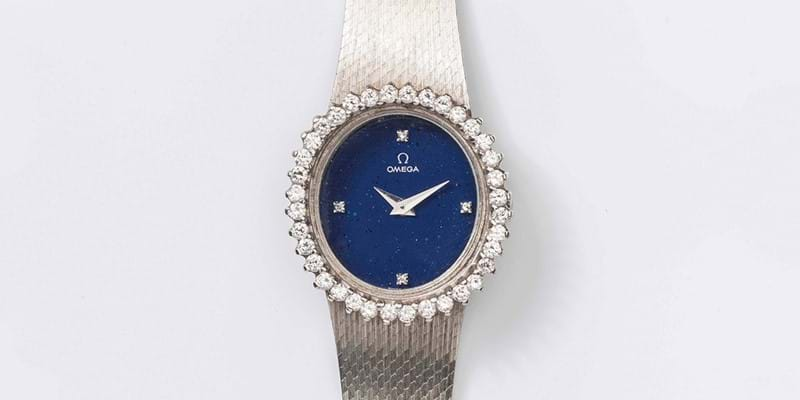
All the watches sold including a Rolex Oyster “Veriflat” gents 18ct gold watch with 9ct gold bracelet at £1,200, and an Omega diamond set lady’s watch at £1,350.

The jewellery moved less readily and the only prices of note were a pretty diamond set bangle selling for £1,000 and a two stone diamond ring of around 1.7cts, which found £1,200.

Pictures were first on the stand in the afternoon and produced the customary tug-of-war between low demand trade items, and fresh to the market and low reserved private lots. The first success attached to two typically quirky watercolours by Geoffrey W Birks which reached £1,100 each. This was then comfortably exceeded by two oil painted examples of the naïve work of Fred Yates. The first entitled “Figures Near A Market”, with a part finished study of a Cornish fishing boat on the reverse, shot up to £4,200, the best picture price of the day.

Local works included a pair of oil Lakeland Landscapes by Everett W Mellor which went on estimate at £1,800, a study of a Steam Ship at Tarbert Pier by Herbert Royle £1,150 and an excellent “Norwegian Traders in old Scarborough Harbour” by Frank Henry Mason £1,900.

The best item, in the works of art was a 24” bronze of David with the Head of Goliath after J.A. Mercie selling for £1,900, and the best clock was a longcase by Jas. Mayfield, Dublin, eight day with plain white dial and mahogany case which found £940.

The main furniture prices in a section somewhat down in numbers from the usual, was almost proportionate to age. A standard George III mahogany linen press reached £1,200.

Victorian items included a square piano by Longhurst which was battled up to £1,080, a large mahogany sideboard which had stood duty as a bar at a well known local restaurant £1,600, a late entry Victorian oak dresser £1,850, and a standard brass eagle lectern removed from a local church £2,600.

Edwardian pieces included a very pretty satinwood and painted music cabinet at £1,000 and a rosewood occasional table inset with an Italian 10 ¼” micromosaic scene which found £1,650.

The later pieces included an adzed oak coffer by Robert “Mouseman” Thompson which reached £2,900 and a fine 1971 Bluthner ebonised baby grand piano selling for £5,400.

A GOOD RESULT FOR FEBRUARY (150206)

A GOOD RESULT FOR FEBRUARY (150206) For a change, all commodities performed well in Andrew Hartley’s first Antiques and Fine Arts Sale of the year in Ilkley on February 15th, when 774 lots produced nearly £220,000 with only 18% by lot bought in. There were items of interest within every section and there appeared to be enthusiasm and demand from both private and trade buyers across the board.
The sale started with the ceramics section, which unusually featured a single owner collection of thirty five rare Beswick porcelain animals and figures which sold (all bar one) to gross a hammer total of £9,500. Individual prices included a trotting Shire Horse at £540, a Shorthorn Bull “Gwersylt Lord Oxford 74th” £590, a Shorthorn Cow “Eaton Wild Eyes” £680, a pair of Shorthorn Calves £740, a Cowboy on horseback probably depicting Roy Rogers and Trigger £640, and a Gamecock £800.

Amongst more traditional ceramics were a pair of Copeland porcelain plaques painted with river landscapes by W Yale which sold for £800, and a French parian bust of a lady which reached £760. The 20th century items included a 6” William Moorcroft flambé vase tube lined with fish and jellyfish, selling well at £2,900, and a 6” Macintyre Florianware bottle vase £1,850.

The second collection of the day came up next in the glass section with a glamorous array of Galle and other Art Deco pieces. Not all of them found buyers but successful bids included £900 for an 8” Galle green and etched cameo vase, £900 for a 5 ½” Daum coloured etched bowl and £1,200 for a slender 12 ¼” Tiffany Favraile iridescent vase on gilt metal base.

There was little left unsold amongst 80 lots of silver, and pre-sale interest was directed in particular towards a substantial pair of pheasant figures, only three years old, weighing 35 ½ozs which found £520. A pair of Georgian candlesnuffers on matching tray dated 1823 reached £580, and a Victorian cut glass claret jug with silver mounts found £560.

The best priced watch was a late entry which did not reach the catalogue, a lady’s Rolex Oyster Perpetual wristwatch with diamond set numbers to the dial, which reached £1,650.

Of eight four figure prices within the jewellery, two solitaire diamond rings stood out. The first weighed in at 3.5carats although the stone contained several inclusions. The ultimate price for this item was £3,000. By contrast another ring of only 1.9cts but in quality and colour much better than the first, was knocked down at £3,400.

Other jewellery prices included a pair of Art Deco style ruby sapphire and diamond set earrings at £1,550, a diamond set bracelet £1,450, and a three stone diamond ring of 1.5cts, £1,700.


The afternoon session started with pictures, warming up with the maps and prints including a bright and colourful John Speede “North and East Rydinges” which found £380.

The best prices within the pictures were all produced by Yorkshire painters. The watercolours included two by Roland Henry Hill both of which were strongly competed to four times their upper estimates. One, and East Yorkshire Village Scene reached £2,400 and the other a view of Runswick Bay found £2,600. Other watercolours included a typical study of Horses in a Stable by William Woodhouse which rose to £1,150.

Once again the oils were led by Ilkley’s own Herbert Royle, with several of his works on offer. The best was “Winter Feeding at Nesfield” which sold at £8,500 while an even more atmospheric “Coastal Scene with Peat Diggers” found £3,500. Another Yorkshire artist Harold Whaley produced a bright and sunny view thought to be on the Isle of Man which doubled its upper estimate at £1,250.

Many of the clocks particularly longcases would probably be described as “improvers”, but one, by London maker Peter Grimalde with unusual mahogany case deserved its final bid of £1,950.

A very small Regency bracket clock by Budgen, Croydon found £1,800 but best of all was a massive Victorian bracket clock with triple train movement originally installed at the Yorick Club, The Strand, which sold for £2,800.

Finally, the furniture was offered and as in December sales bucked the trend with only ten lots failing to find a buyer out of a total of 120.

Probably the two most satisfying prices related to very stylish if totally different items. The first was an adzed oak armchair by Robert Thompson, the “Mouseman” at his best with a 1935 piece which deserved its price of £1,100. The other was an Art Nouveau style mahogany and marquetry inlaid escritoire by Shapland and Petty of Barnstable which took no surprises with the final bid of £5,400.

Of seven linen presses and cupboards on chests, the purest with the most attractively panelled doors found £1,500. Of the three main mahogany sideboards, a George III example with replaced drawers (consequent on burglary some years ago) reached £1,550, another demi-lune piece with replaced legs sold for £1,450, but the third, not subject to any major interference rose to £2,200. From the same local deceased estate as the last item came the best looking chest of drawers, a George III chest of two short and three long graduated drawers, satisfactorily neat at 32” wide, which sold for £1,400.


Fine Arts

Tel: +44 (0) 1943 816363 Fax: +44 (0) 01943 817610
Email: info@hartleysauctions.co.uk


SOFAA

RICS

top of page | previous page | print this page